VEVOR Auto & Mechanic Gear
Engine hoists, two-post lifts, tyre changers and transmission jacks — the heavy mechanical kit that makes a home garage feel like a real shop. We test it under load and tell you where the value is genuinely safe to chase, and where it isn't.
Auto tools are where VEVOR's reputation was built. Most of this category is honest steel: a folding engine crane, a two-tonne transmission jack, a manual tyre changer. There are no fragile electronics, no precision tolerances to drift out of spec — just weldments, hydraulics and a load rating. That's the sweet spot for a value brand, and it's why so many home mechanics' garages are quietly full of VEVOR red.
This hub gathers our hands-on auto reviews and the buying judgement that goes with them. The two pieces to read first sit right at the top: our load-tested electric hoist review, and the broader honest verdict on whether VEVOR is worth it for a working garage.
Start here: our tested picks
VEVOR Electric Hoist Review
We hung real loads off it and watched the duty cycle, the brake and the wire rope. A strong-value pick for engine pulls and overhead lifting in a home shop.
Is VEVOR Worth It?
Where VEVOR beats premium brands on value and where you should spend more — warranty realities, continuous-duty limits and the safety items worth paying up for.
Engine cranes & two-post lifts
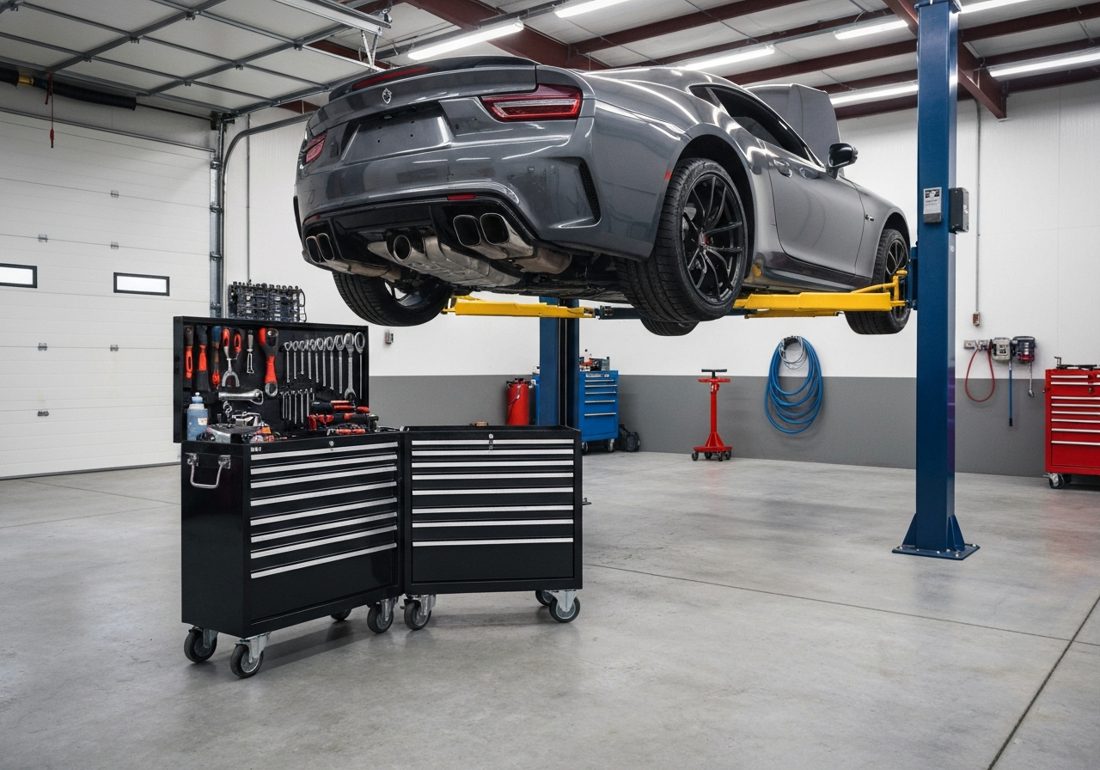
Folding shop cranes and two-post lifts. Cranes are an easy buy; lifts demand careful install, code checks and proper concrete before you trust them with a car.
Tyre changers & balancers
Manual and powered tyre changers and bubble balancers. Brilliant value for a side hustle or club, with a learning curve and the odd plastic part to upgrade.
Transmission jacks & stands
Transmission jacks, bottle jacks and axle stands. Simple hydraulics done cheaply and well — just always pair a jack with rated stands, never trust hydraulics alone.
What VEVOR gets right under the bonnet
The heavy, mechanical end of the auto category is exactly where the budget brand makes sense. Steel sections are generous, welds on the cranes and jacks we've handled are tidy, and the hydraulics on the lifting gear lift their rated load without drama. For a home mechanic doing a few engine pulls and gearbox swaps a year, paying three times more for a trade-brand crane buys you very little extra capability.
Where to slow down and spend
The caution in this category is mostly about safety rather than disappointment. A folding crane or a jack that fails simply puts you back where you started; a vehicle lift that fails can kill you. So while we're relaxed about VEVOR cranes, jacks and changers, we treat two-post and four-post lifts as a different decision: verify the rating honestly, check local code, confirm your concrete and anchors, and pay for professional installation. Treat any rated capacity as a ceiling you work well below, inspect hydraulics and wire rope regularly, and never short-cut the stands.
For the full reasoning — including warranty and support realities — read our honest "is VEVOR worth it?" comparison. If you also kit out a workbench, our power tools guide and electric hoist review are the natural next reads.
Frequently asked questions
Are VEVOR engine hoists safe to use?
For occasional home and small-shop use within the rated capacity they are fine, and the steel is genuinely heavy-duty. Always work to 70–80% of the stated rating, check ram seals, and never leave a load suspended. See our electric hoist review for detail.
Can I trust a VEVOR two-post lift for my home garage?
Many home mechanics run them happily, but a vehicle lift is the one purchase where we urge caution: verify the install meets local code, confirm anchor and concrete spec, and budget for professional installation. This is a continuous-safety item, not a place to chase the lowest price blindly.
Is VEVOR auto gear worth it versus premium brands?
For simple mechanical tools — hoists, jacks, stands, tyre changers — the value is strong. For anything with fine tolerances, electronics or a continuous duty cycle, the gap narrows. Our is-VEVOR-worth-it article breaks down exactly where to draw the line.