VEVOR Electric Meat Grinder Review: A Hands-On Test
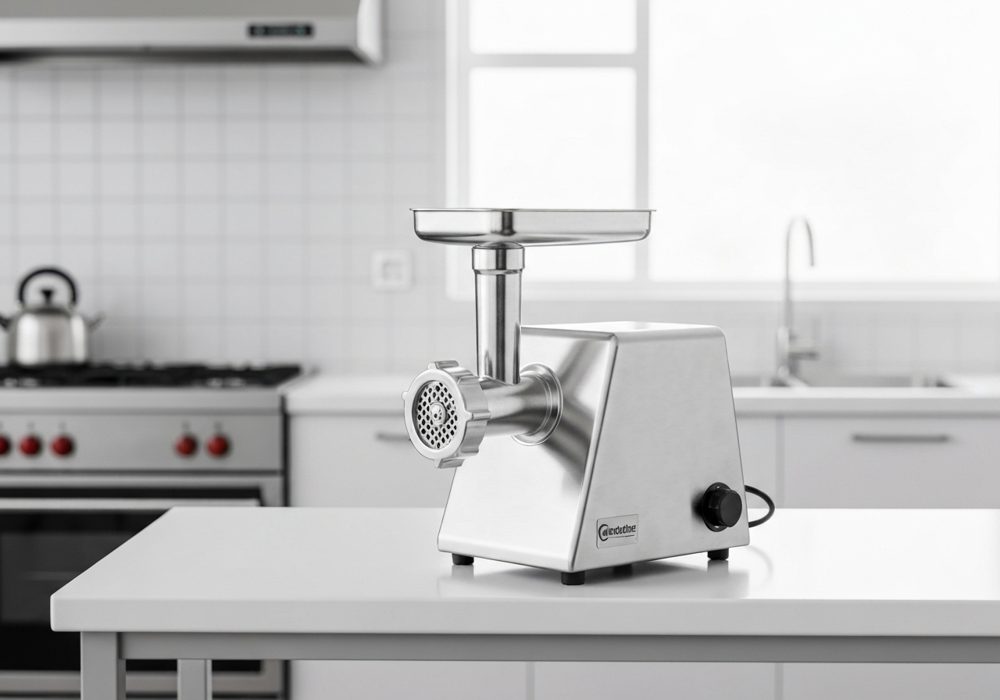
A meat grinder is one of the most mechanically simple machines in a kitchen, which is exactly why VEVOR's value pricing tends to work here. We put one through weeks of mince, burger blends and sausage stuffing to see whether the simplicity holds up — and where the budget shows.
Motor and duty cycle
This is where you need to set expectations correctly. The motor has real torque — it pulled chilled chuck through the coarse plate without bogging down, and only complained when we fed it sinew or warm fat. But it is a batch machine, not a continuous-duty workhorse. Over a long, unbroken session the motor warms up, and pushed hard enough it will trip its thermal cut-out and need a cool-down. That is normal behaviour for the price tier, not a fault, as long as you work with it rather than against it.
In practice that means: grind in batches, give it short rests between large lots, and keep the meat cold. Do that and the motor stays happy. Treat it like a factory line and it will stop to protect itself.
Throughput in real use
Fed well-chilled, properly trimmed meat at a sensible pace, it moves a genuinely impressive amount per minute — comfortably enough for a small restaurant's daily mince, a butcher's-counter top-up, or a hunter processing a season's worth of game in an afternoon of batches. The single biggest variable is meat temperature: warm meat smears and slows everything down, while near-frozen meat feeds clean and fast. Trim sinew before it reaches the auger and your throughput roughly doubles.
Included plates and stuffer
Ours arrived with coarse and fine grinding plates, a cutting blade and a set of sausage-stuffing tubes. The kit is genuinely useful and covers most home and small-commercial jobs out of the box. The honest caveat: the plates are usable but not razor-sharp from the factory, and the blade benefits from a light hone before first use. The stuffer tubes are functional rather than refined — they do the job for fresh sausage, but a serious sausage-maker will want a dedicated stuffer eventually. For most buyers the included set is a real value-add, not a token gesture.
Cleaning
One of the easiest prep machines to clean. The head, auger, plate and blade unscrew and come apart by hand in under a minute, with no awkward captive fasteners. The one discipline to keep: dry the metal parts promptly and thoroughly, because left damp they can develop surface rust. A quick wipe with a little food-safe oil after drying keeps the auger and plates in good order for years.
Noise
It is a firm mechanical whir under load rather than a scream, with the occasional knock as a tough piece meets the auger. Louder than a domestic stand mixer, quieter than a busy prep room in full flow. Entirely comfortable for back-of-house use; you would not run it front-of-house mid-service.
Pros and cons
What we liked
- Strong torque and fast throughput on cold, trimmed meat
- Genuinely useful plate and stuffer kit included
- Tool-free teardown — very easy to clean
- Excellent value for batch and small-commercial work
What to watch
- Batch machine — not continuous duty; can trip thermal cut-out if pushed
- Plates and blade want a hone before first use
- Stuffer tubes are basic for serious sausage-making
- Metal parts need drying promptly to avoid surface rust
Batch vs continuous: who it's for
Buy it if your grinding is bursty — daily restaurant mince, weekend batch cooking, seasonal game processing, a butcher's-counter backup. For that work it is hard to beat on value. Look at a heavier continuous-duty machine if you genuinely grind for hours without pause, every day; that is a different category at a different price. For the bigger picture see our best VEVOR kitchen equipment guide and the kitchen hub, and pair this with our VEVOR ice maker review if you are building out a full prep station.
Frequently asked questions
Can it run continuously?
It is built for batch work, not all-day continuous running. We got strong throughput in bursts, but the motor warms up over long sessions. Work in batches with short rests and it holds up well; run it flat out for an hour and you risk the thermal cut-out tripping.
How much meat can it process?
With well-chilled, properly trimmed meat fed at a sensible pace it shifts a serious amount per minute — comfortably enough for a small restaurant's daily mince or a hunter's annual processing. Throughput drops sharply if the meat is warm or sinewy.
What plates and accessories are included?
Ours came with coarse and fine grinding plates, a cutting blade and a sausage-stuffing tube set. The plates are usable but the edges are not razor sharp out of the box, and the stuffer tubes are functional rather than refined.
Is it hard to clean?
No. The head, auger, plate and blade unscrew and come apart by hand in under a minute. Dry the metal parts promptly to avoid surface rust, and it is one of the easier prep machines to keep clean.
Is it loud?
It is a firm mechanical whir under load rather than a scream, with the odd knock when a tough piece hits the auger. Louder than a domestic mixer, quieter than a full prep room. Comfortable for back-of-house use.