VEVOR Sandblasting Cabinet Review
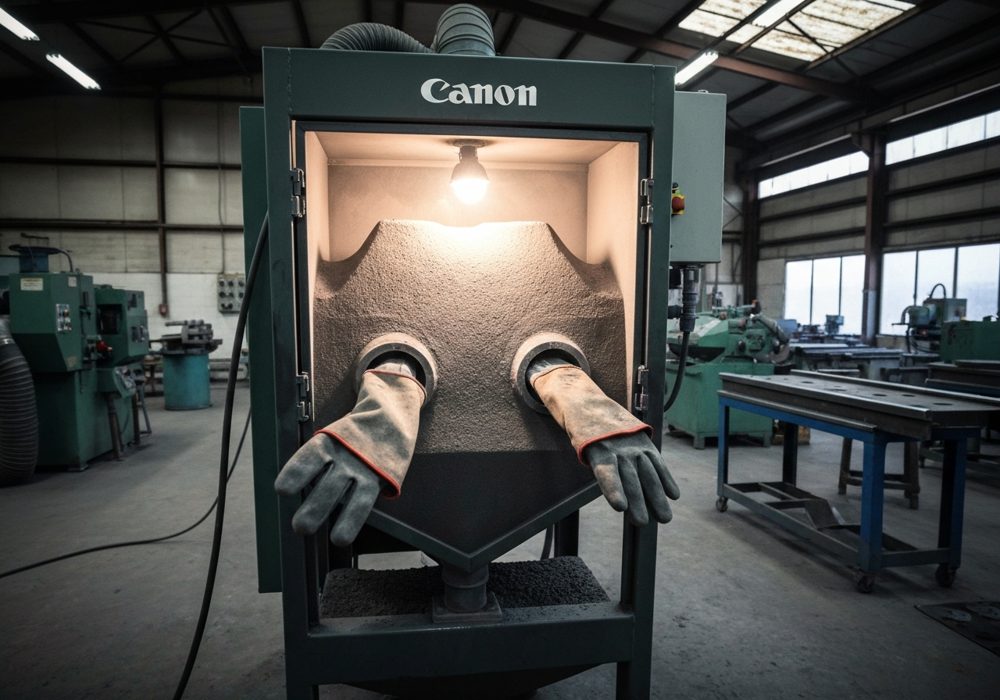
A blast cabinet is one of those tools that pays for itself the first weekend you strip rust, paint and scale off parts that would otherwise have eaten hours of wire-wheeling. VEVOR's cabinet gets you into that game cheaply — but it's also the clearest example in the range of a tool you finish building yourself.
Seal and leak quality — the weak point
Let's lead with the issue everyone hits. Out of the box, the cabinet leaks. The folded-steel seams, the door gasket and the glove ports all let fine dust escape under blasting pressure, and a dusty workshop is both unpleasant and a real respiratory hazard. This is the most common complaint about the cabinet and it's a fair one. The good news is that it's cheap to fix: a roll of self-adhesive foam tape along the door, a bead of silicone down the internal seams and a check that the glove clamps are seated turns a leaky box into a tight one. Budget an hour for it before you ever load media.
Visibility and lighting
Blasting is useless if you can't see the part. The supplied light is dim, and the view window frosts within minutes as media etches the surface. Two cheap fixes transform the experience: stick a bright LED strip across the top of the cabinet for even, shadow-free light, and apply a pack of disposable protective lens films to the inside of the window so you can peel off a frosted layer rather than replacing the whole glass. Together they cost little and make the cabinet genuinely workable.
Media reclaim
The cabinet uses a gravity funnel to return spent media to the gun pickup. It works reasonably, but two limits show up in use: the coarse sieve lets chunks of debris and broken media back into circulation, and the pickup tube can clog with fines, starving the gun. Sifting your media before loading, and clearing the pickup periodically, keeps the flow steady. Run a dust collector or shop vac on the cabinet's port and the reclaim stays cleaner for longer.
Gun and nozzle
The supplied siphon gun does the job, but the ceramic nozzle wears quickly — bore-out reduces velocity and you'll notice blasting slow down within a few sessions. The included nozzle selection is also limited. The fix is a small upgrade most owners make: a better gun and a set of carbide or boron-carbide nozzles in a couple of sizes. They cost little, last vastly longer, and give you consistent pressure for both fine detail and heavy stripping.
Worthwhile upgrades
Pros and cons
Pros
- Very low cost of entry into cabinet blasting
- Roomy enough interior for typical auto and shop parts
- Gravity reclaim works once media is sieved
- Responds extremely well to cheap, easy upgrades
- Standard fittings make parts easy to source
Cons
- Leaks dust from seams and ports out of the box
- Dim lighting and quick-frosting view window
- Ceramic nozzle wears fast; limited nozzle sizes
- Coarse sieve and clog-prone pickup in the reclaim
- Needs an hour of setup work before it performs
Verdict
Judged as a finished product, the VEVOR sandblasting cabinet is middling — hence the 3.9. Judged as a cheap platform you spend a little time perfecting, it's a strong buy for hobbyists and small shops. Go in expecting to seal it, light it and re-nozzle it, and you'll have a capable cabinet for far less than a sealed branded unit. If you skip that work, you'll be frustrated. For the wider context on which VEVOR gear rewards this kind of tinkering, see our power tools guide and the electric hoist review, or browse the full workshop hub.
Frequently asked questions
Does the VEVOR sandblasting cabinet leak media?
Out of the box it leaks dust from the seams and glove ports — this is the most common weak point. A pass with self-adhesive foam tape and silicone on the seams largely solves it and makes the cabinet far more pleasant to use.
Is the visibility good on the VEVOR cabinet?
The supplied lighting is dim and the view glass frosts quickly under blasting. Adding a brighter LED strip and a pack of stick-on protective lens films transforms visibility for very little money.
How well does the media reclaim work?
The gravity reclaim funnels media back to the gun reasonably well, but the coarse sieve lets debris through and the pickup can clog with fine spent media. Sifting your media and clearing the pickup periodically keeps flow steady.
Is the supplied gun and nozzle any good?
The gun works but the ceramic nozzle wears quickly and the choice of nozzle sizes is limited. A modest upgrade to a better gun and a set of carbide or boron nozzles noticeably improves consistency and longevity.
Is the VEVOR sandblasting cabinet worth buying?
Yes, with realistic expectations. It is a capable hobby and small-shop cabinet at a low price, but plan to spend a little time and money sealing leaks, improving lighting and upgrading consumables before it works its best.